
Is Hip-Hop Actually Dying? The Truth About Snitching, Over-Sexualization, and the 2026 Vibe Shift

Let's address the elephant in the studio: Is hip-hop dead?
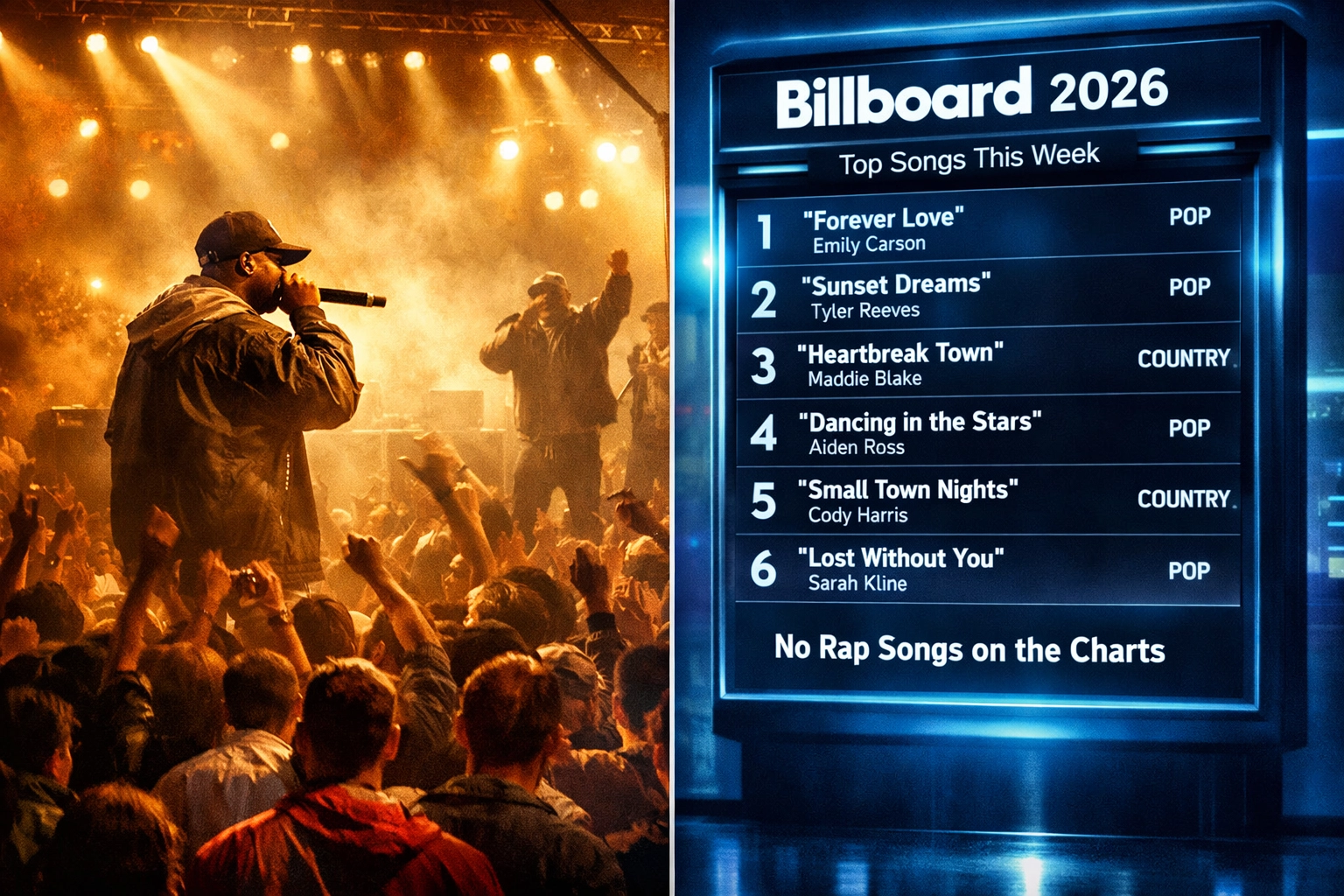
If you've been on Twitter (sorry, X) or scrolling through music discourse lately, you've probably seen the hot takes. "Hip-hop is over." "Rap fell off." "Nobody's making real music anymore." And if we're being honest, the charts aren't exactly helping the case. For the first time since 1990, back when MC Hammer was still relevant and your parents were wearing parachute pants, no rap songs appeared in Billboard's top 40 during the week of October 25-November 1, 2025.
Let that sink in. The genre that dominated the 2010s and basically became pop music for half a decade just... disappeared from the charts.
So what happened? Did hip-hop die? Did the culture shift? Are we blaming over-sexualized female rappers? Is it the snitches? Did loyalty finally leave the building?
Let's break it down.
The Numbers Don't Lie (But They Don't Tell the Whole Story Either)
Here's the tea: Hip-hop's market share in the U.S. dropped from 30% in 2020 to around 24-25% in 2025. Streaming of new rap music fell by 9% in 2025 alone, more than any other genre. On Spotify's Global Chart in September 2025, only 4 hip-hop songs were charting compared to 56 five years earlier.
Yeah, that's rough.
But before we start planning the funeral, let's pump the brakes. NBA YoungBoy, who couldn't crack Billboard's top 20 to save his life, just completed a 42-show sold-out arena tour that grossed over $70 million. Tyler, the Creator is doing festivals. Kendrick still has a chokehold on culture. The underground scene is popping with artists like JID, Earl Sweatshirt, and Freddie Gibbs dropping critically acclaimed projects.
So what gives? If hip-hop is "dead," why are arenas still packed and the culture still driving fashion, slang, and vibes worldwide?
The Over-Sexualization Debate: Are Female Rappers to Blame?
Let's get into it. One of the biggest talking points right now is the rise of hyper-sexual female rap. Sexyy Red, GloRilla, Ice Spice, Cardi B, Megan Thee Stallion, these women are out here making music that's unapologetically explicit, and some people are saying that's what killed hip-hop's "authenticity."
But here's the thing: This ain't new.
Lil' Kim was rapping about sex in the '90s. Trina was doing it in the 2000s. Nicki Minaj owned the 2010s. The difference now? These women aren't asking for permission or hiding behind "shock value." They're owning their sexuality, building brands, and getting paid.
The real question isn't whether their content is "too much." The question is: Why do we only clutch our pearls when women do it?
Nobody was saying hip-hop died when 50 Cent was in a candy shop or when Ludacris made "Splash Waterfalls." But when Sexyy Red drops "SkeeYee" and it goes viral, suddenly it's a cultural crisis.
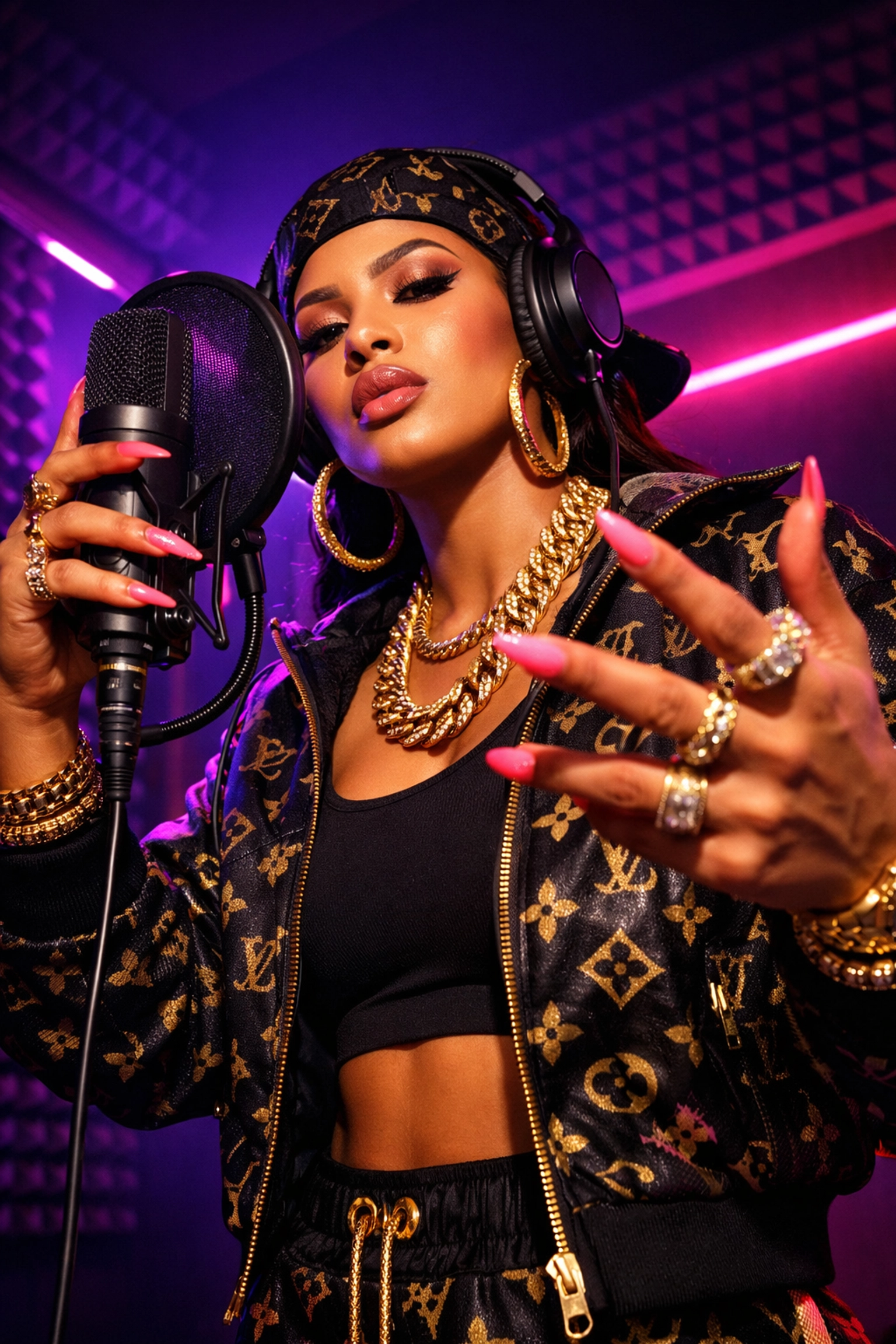
Here's the reality: The Matriarchy Era is here, and some folks just aren't ready for it. Female rappers are dominating TikTok, Instagram Reels, and club playlists. They're not the problem, they're just doing what male rappers have done for decades, except they're doing it with more confidence and better branding.
If anything, the rise of female rap proves hip-hop is evolving, not dying. The culture is just expanding to include voices that were always there but never had the same platform.
Snitch Culture and the Death of Street Loyalty
Now let's talk about the other elephant: snitching.
The YSL trial and the Gunna situation changed the game. Whether you think Gunna snitched or just took an Alford plea to get out of jail, the conversation around "loyalty" in street rap has completely shifted. The code that once defined the genre, "no snitching, ride or die, keep it 100", is now getting questioned by the very people who used to live by it.
And honestly? Can you blame them?
We're in 2026. The streets aren't what they used to be. Rico cases are stacking bodies like Tetris blocks. Prosecutors are using rap lyrics as evidence in court. Dudes are looking at life sentences for crimes they rapped about on SoundCloud three years ago. The game changed, and so did the players.
The new mentality? "Get the bag and stay out of jail."
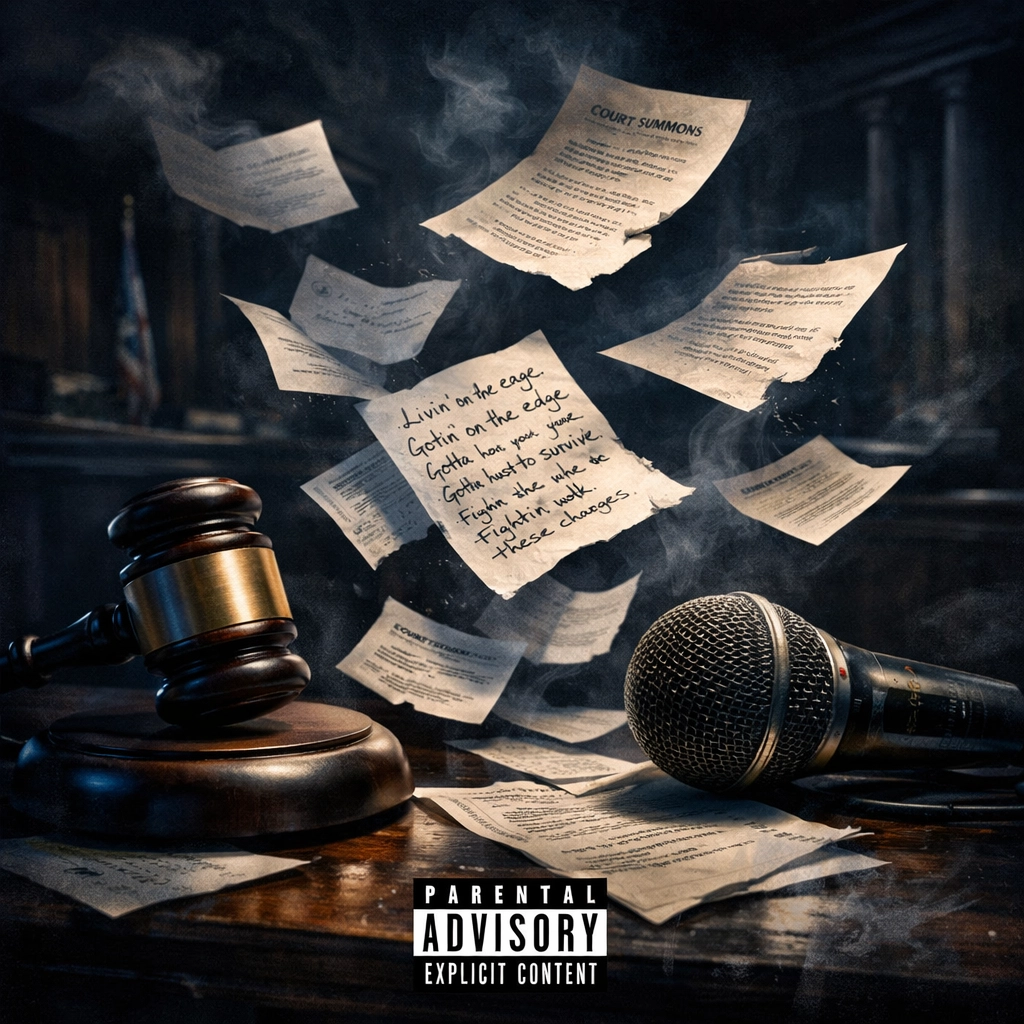
Young rappers are watching YSL, watching Thug sit in jail for years, watching Gunna walk free and drop an album, and they're doing the math. Street credibility used to be everything. Now? Staying free, building generational wealth, and not dying at 25 is the new flex.
Does that mean loyalty is dead? Maybe. Or maybe loyalty just got redefined. Because let's be real: Nobody's loyal to you when you're broke, locked up, or six feet under.
So What's Really Killing Hip-Hop? (Spoiler: Nothing)
If it's not the women and it's not the snitches, then what's going on?
Here's the truth: Hip-hop isn't dying. It's just having a mid-life crisis.
The genre dominated the mainstream for so long that it got comfortable. Labels stopped taking risks. Artists started sounding the same. The algorithm rewarded safe bets, so we got a million clones of the same trap beat and the same flow.
Major labels cut hip-hop staff, reduced marketing budgets, and stopped developing new talent. Radio stopped pushing rap. Billboard changed the chart rules, forcing songs off after 26 weeks if they dropped below No. 25. The game got rigged, and hip-hop got left behind.
But here's the beautiful part: Hip-hop was born as outsider music. It thrives when it's underground. When it's raw. When it's hungry.
Right now, the genre is going through a transition. The mainstream might not be playing it as much, but the culture is still alive. Artists are still touring. Underground scenes are still thriving. TikTok is still making stars overnight. Hip-hop is just returning to what it's always been: rebellious, independent, and impossible to kill.
The 2026 Vibe Shift: Hip-Hop in the IMAX/TikTok Era
So where does that leave us in 2026?
Hip-hop is in a weird spot. It's not topping the Billboard charts like it used to, but it's still the most culturally influential genre on the planet. It's not on the radio, but it's all over TikTok, Instagram Reels, and YouTube Shorts. It's not selling records like it used to, but artists are selling out arenas and building brands that go way beyond music.
The genre is adapting. It's embracing short-form content, viral moments, and meme culture. It's going independent. It's finding new revenue streams through touring, merch, and direct-to-fan platforms.
And yeah, the sound is changing. Some of the old heads don't like it. Some people miss the "real hip-hop" days (whatever that means). But that's the beauty of the culture: it never stays the same.
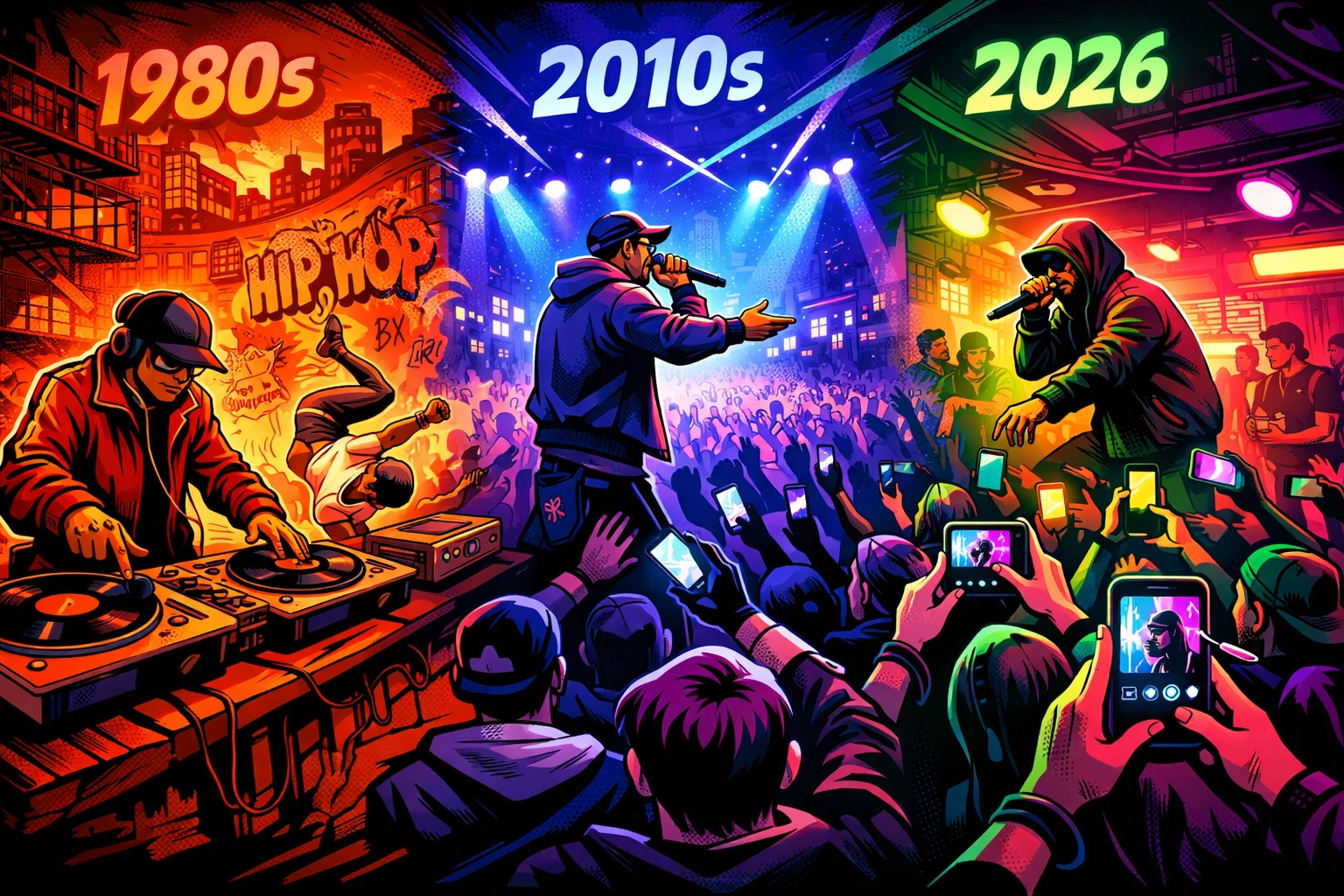
Hip-hop in 2026 looks different because the world looks different. We're in the TikTok era, the IMAX era, the "attention span of a goldfish" era. The game has changed, and hip-hop is changing with it.
The Verdict: Hip-Hop Ain't Dead, It's Just Rebranding
So is hip-hop dying? Nah.
It's just in a transitional phase. The mainstream charts might not reflect it, but the culture is still here. The energy is still here. The influence is still here.
Female rappers aren't killing the genre: they're expanding it. Snitch culture isn't killing the genre: it's just showing that survival matters more than street cred in 2026. And the lack of chart dominance? That's just hip-hop getting back to its roots.
The genre was born in the Bronx with two turntables and a dream. It survived being called a "fad" in the '80s. It survived the East Coast/West Coast beef. It survived the ringtone rap era (barely). It'll survive this too.
Hip-hop isn't dying. It's just evolving. And if you're not evolving with it, that's on you.
Now if you'll excuse us, we've got some Sexyy Red to bump while we debate the deeper meaning of "SkeeYee." 🔥
Need help promoting your music in this ever-changing hip-hop landscape? Litty Entertainment has you covered. We get the culture because we ARE the culture.
Comments